
Advanced Dry Eye Relief in Allendale, MI
Restoring Hope. Rejuvenating Eye Care.
We combine world-class diagnostics with personalized treatment plans to help
you find lasting relief from dry eye and ocular surface disease.
Compassionate Care. Precise Answers. Lasting Relief.
At Rejuvenation Dry Eye Center (RDEC), our mission is simple: restore comfort — and confidence — for people living with dry eye and ocular surface disease. We use advanced imaging, careful measurement, and step-by-step guidance so you understand why your eyes feel the way they do and exactly how we’ll help.
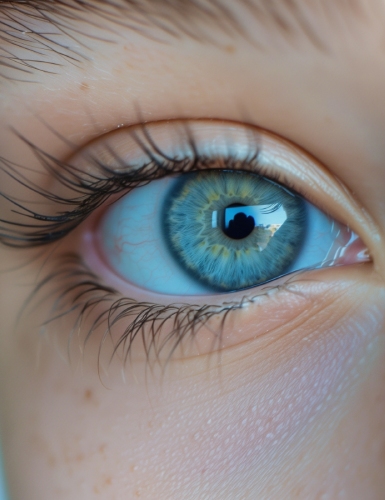
What is Dry Eye Disease?
Our Advanced Technology

Meet Our Doctors

Nick Lillie, OD
Clinical Lead, Dry Eye & Ocular Surface Disease
Dr. Lillie leads our clinical protocols and mentors our care team to ensure every patient receives precise, outcome-driven treatment supported by current research and technology.

Amanda Bancroft, OD
Primary Eye Care & Dry Eye Management
Dr. Bancroft provides comprehensive care with a warm, patient-first approach. She focuses on practical, personalized plans that fit your routine — from in-office therapies to at-home care.

Kody Drewer, OD
Check Out Dr. Nick Lillie’s YouTube Channel!
Sub Heading
Sub Heading
Sub Heading
Sub Heading
Sub Heading
Sub Heading
Sub Heading
Sub Heading
Sub Heading
Sub Heading
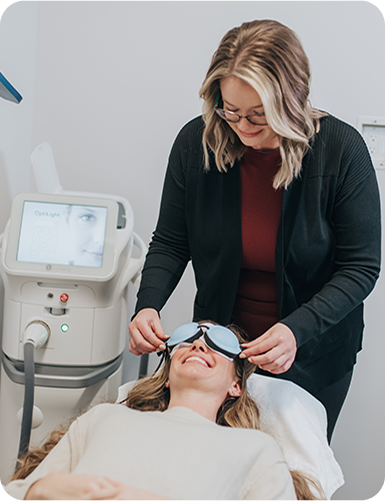
Our Dry Eye Treatments
No two cases are alike. After a comprehensive evaluation, we create a plan that can include in-office therapies and at-home support to target the root cause of your symptoms. Your plan may include a combination of the following:
- IPL (Intense Pulse Light)
- Tixel®
- RF (Radio Frequency)
- Autologous Serum
- Amniotic Membranes
- ZEST
- Heat-Based Lid Therapy
- LLLT (Low Level Light Therapy)
- Eyelid Hygiene
- Masks & At-Home Treatment
- Nutraceuticals & Lifestyle
- Punctal Plugs

Education Hub
Prefer to learn visually?
Explore our latest videos and resources on dry eye care, featuring our clinicians.

Patient Stories
If you’ve been searching for answers, you’re not alone – and there is a path forward. Hear from patients who reclaimed daily comfort with care from the RDEC team.
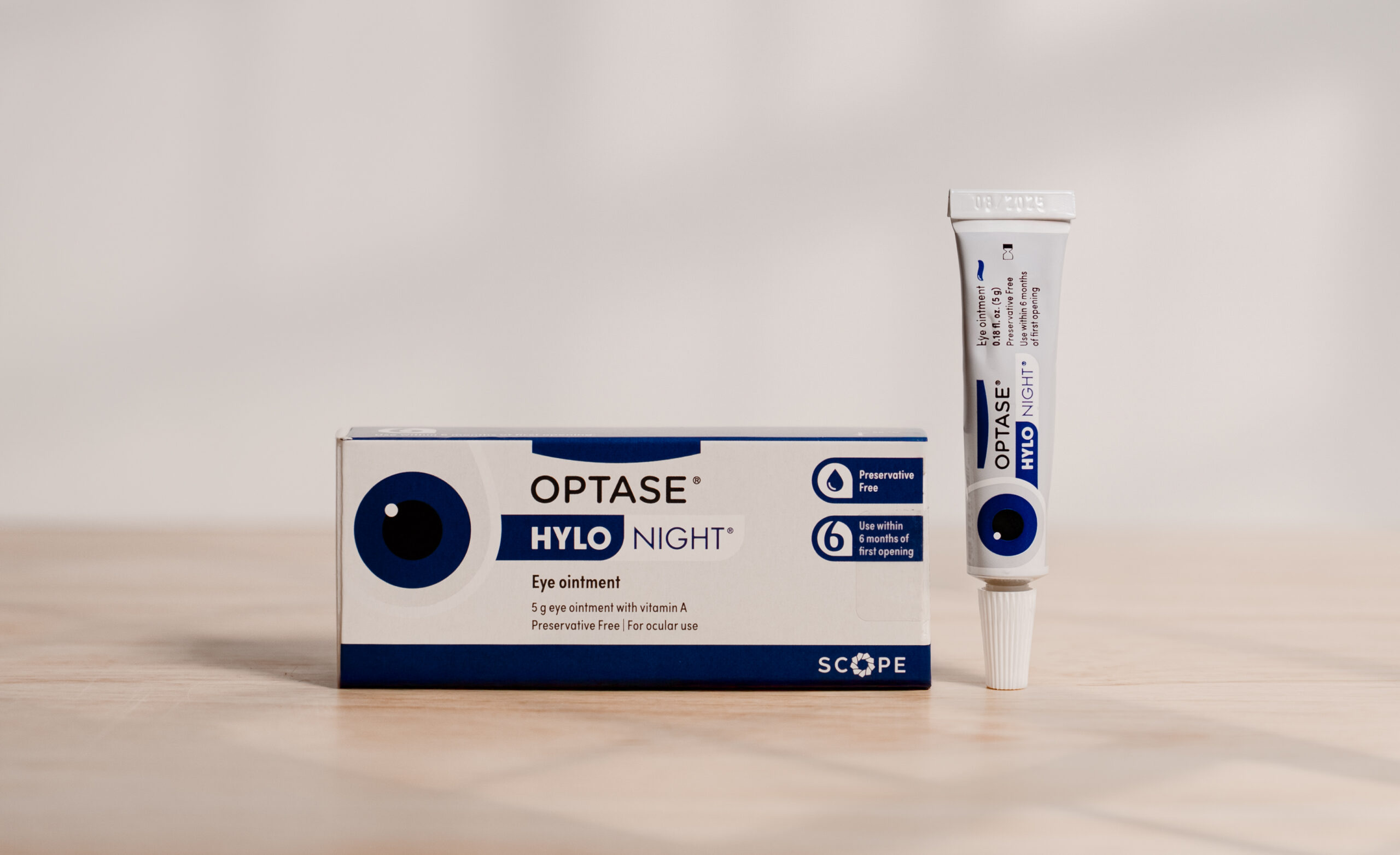
Shop Dry Eye Rescue
Discover science-backed products curated by eye care professionals — all in one place. From lid hygiene to nutraceuticals, we recommend items that complement your in-office treatments and daily routine.
Offer: Use code FVO20 for 20% off your order.
Frequently Asked Questions (FAQs)
What is dry eye disease?
Dry eye disease happens when your eyes do not make enough tears or when your tears evaporate too quickly. Problems with the oil-producing meibomian glands can also make the tear film less stable, leading to irritation and changes in vision.
What are common signs of dry eye?
Dry eye can cause burning, stinging, redness, a gritty or sandy feeling, light sensitivity, blurry vision, or contact lens discomfort. Some people also notice watery eyes because the eyes may react to dryness by producing extra tears.
What can cause or worsen dry eye?
Dry eye may be linked to screen use, contact lenses, meibomian gland dysfunction, certain medications, health conditions, and environmental factors such as dry air or smoke. Because several factors can contribute at once, we focus on finding the likely source of your symptoms.
How is dry eye diagnosed at Rejuvenation Dry Eye Center?
We use specialized diagnostic technology to examine the eye surface, tear film, eyelids, and oil glands. These findings help us understand what is driving your symptoms and build a care plan around your specific needs.
What dry eye treatments are available?
We offer a wide range of options, including IPL, ZEST, heat-based lid therapy, low-level light therapy, prescription eye drops, punctal plugs, specialty contact lenses, autologous serum tears, eyelid hygiene, and at-home care. Your plan may combine several approaches based on the type and severity of your dry eye.
Can dry eye treatment help with contact lens discomfort?
It can. Dry eye may make contact lenses feel less comfortable, especially later in the day. We can look for the cause of that discomfort and may recommend dry eye treatment, changes to your lens routine, or specialty contact lenses when appropriate.




